University of Verona
About us
The University of Verona (Univr) ranks among the top ten Italian universities, according to the Censis 2025 ranking. Univr offers a wide range of academic courses and promotes a stimulating learning environment, fostering the personal and professional growth of students through collaborations with local and international institutions.
The University of Verona is a space where every individual finds recognition and value, in an atmosphere founded on mutual trust and collaboration. Here, students, faculty, and staff work together to create growth opportunities, developing talents and skills. With solid roots and a constant eye on the future, the university actively participates in the international scientific dialogue, promoting research, innovation, and the dissemination of knowledge.
Department of Biotechnology
Our vision
The main vision of the Department of Biotechnology at the University of Verona is oriented towards scientific excellence through a multidisciplinary approach.
It integrates expertise in chemistry, biology, agriculture, and engineering to develop innovative biotechnological solutions in key sectors such as agro-food, environment, and health.
The main objective is to promote the sustainability of production chains, ensuring high-quality standards in research and education, supported by state-of-the-art infrastructures and advanced training programs, as well as internationalization initiatives.
Our mission
Our mission is dedicated to research, innovation, and education, exploring the molecular and biological foundations of living systems in the agro-food, environmental, and health sectors. As an integral part of the University of Verona, it actively collaborates with other academic institutions and companies, promoting synergies and technology transfer.
Laboratory of Plant Biology and Metabolomics:
The Laboratory of Plant Biology and Metabolomics focuses on studying the biological roles of plant secondary (specialized) metabolites in both plants and humans. Research emphasizes the beneficial properties of fruits, vegetables, and other plant-derived products, including their bioavailability and potential impact on human health.
In parallel, the laboratory develops sustainable technologies for producing food, cosmetic, and pharmaceutical metabolites through plant cell cultures, generating high-quality biomass without land use or environmental contamination. Another key research area explores the structural diversity and ecological functions of plant metabolites, shedding light on how plants interact with their environment.
The laboratory is also engaged in the exploration and valorization of the biodiversity of Italian flora, aiming to uncover and promote its potential for scientific, nutritional, and industrial applications.
People involved in the project
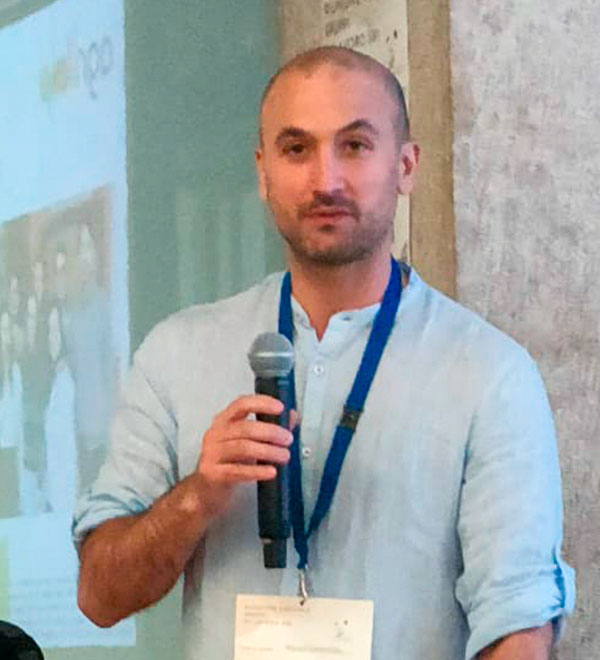
Mauro Commisso is the Principal Investigator of TAM&SER project. He employs an integrated approach combining molecular biology, microscopy, and liquid chromatography – mass spectrometry (LC-MS) to explore the biological roles of secondary (specialised) metabolites across plant cells, organs, and whole organisms. His recent research focuses on the function of these metabolites in plants under biotic and abiotic stress, the molecular and metabolic regulation of fruits during development and ripening, including hormonal profiling, especially of auxins. He is also involved in the valorization of the Italian flora biodiversity.

Flavia Guzzo’s past research focused on the regulation of plant development and differentiation, with particular emphasis on cellular and biochemical aspects. Her current work centers on the biology of secondary metabolites in plants, as well as their role in human health. Additionally, she is involved in a project aimed at the valorization of the Italian flora biodiversity.
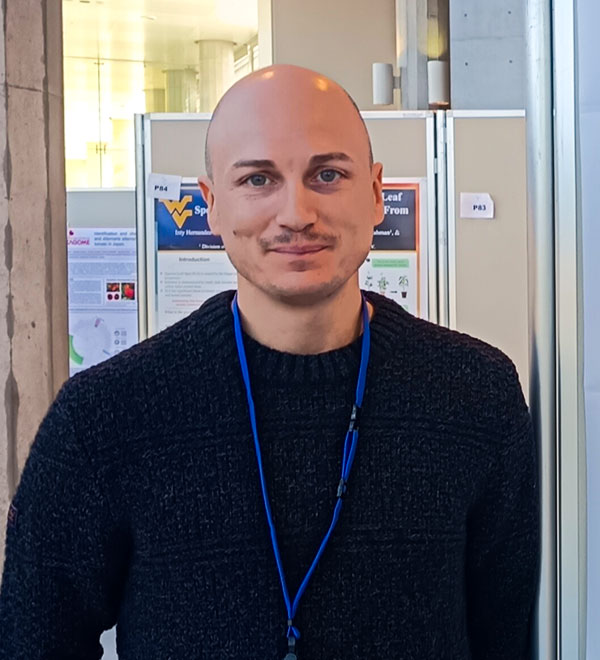
During his Ph.D., Gianluca Gambacorta gained experience in applied molecular biology and genetic engineering, concentrating on enhancing the quality of agricultural production and engineering metabolic pathways. His passion lies in leveraging plant systems for the development of nutritionally enriched foods and the creation of biomolecules relevant to the food, cosmetic, and pharmaceutical industries.
Activities within the Project
The RU_UNIVR research group is responsible for coordinating research activities and conducting the metabolomic analyses outlined in the TAM&SER project. Within WP1, RU_UNIVR is tasked with monitoring the project’s progress through the organization of meetings and the collection of annual reports related to the activities carried out by the individual research groups.
Also, within WP1, the UNIVR group is committed to providing project partners (RU_CNR and RU_UNPR) with the necessary plant material for conducting experiments, as well as the tools and expertise in metabolomic investigations. Regarding WP2, RU_UNIVR is responsible for developing protocols to modify the levels of tryptamine and serotonin in MicroTom tomato plants, utilizing both genetic engineering techniques and developing “feeding” protocols for the exogenous administration of these molecules.
Furthermore, in relation to WP2, RU_UNIVR is tasked with performing the metabolomic characterization of engineered MicroTom genotypes characterized by altered levels of tryptamine and serotonin.
Within WP3, the UNIVR group is responsible for developing and optimizing analytical methods for the identification and study of downstream products of the tryptamine and serotonin metabolic pathway, with particular reference to melatonin and 2-hydroxymelatonin. Finally, RU_UNIVR is committed to the activities outlined in WP7, related to disseminating research results through the creation of informative materials (website, articles in specialized journals) and participation in national and international conferences and symposia.